Exploring a New City Without a Car: Practical Tips

Arriving in a city you have never visited can feel overwhelming, especially if you plan to leave your car behind. Many travelers discover that navigating a new urban landscape without a vehicle is not only possible, but also rewarding. Below are practical steps that help you move confidently, save money, and experience the city like a local.
Research Transit Options Before You Arrive
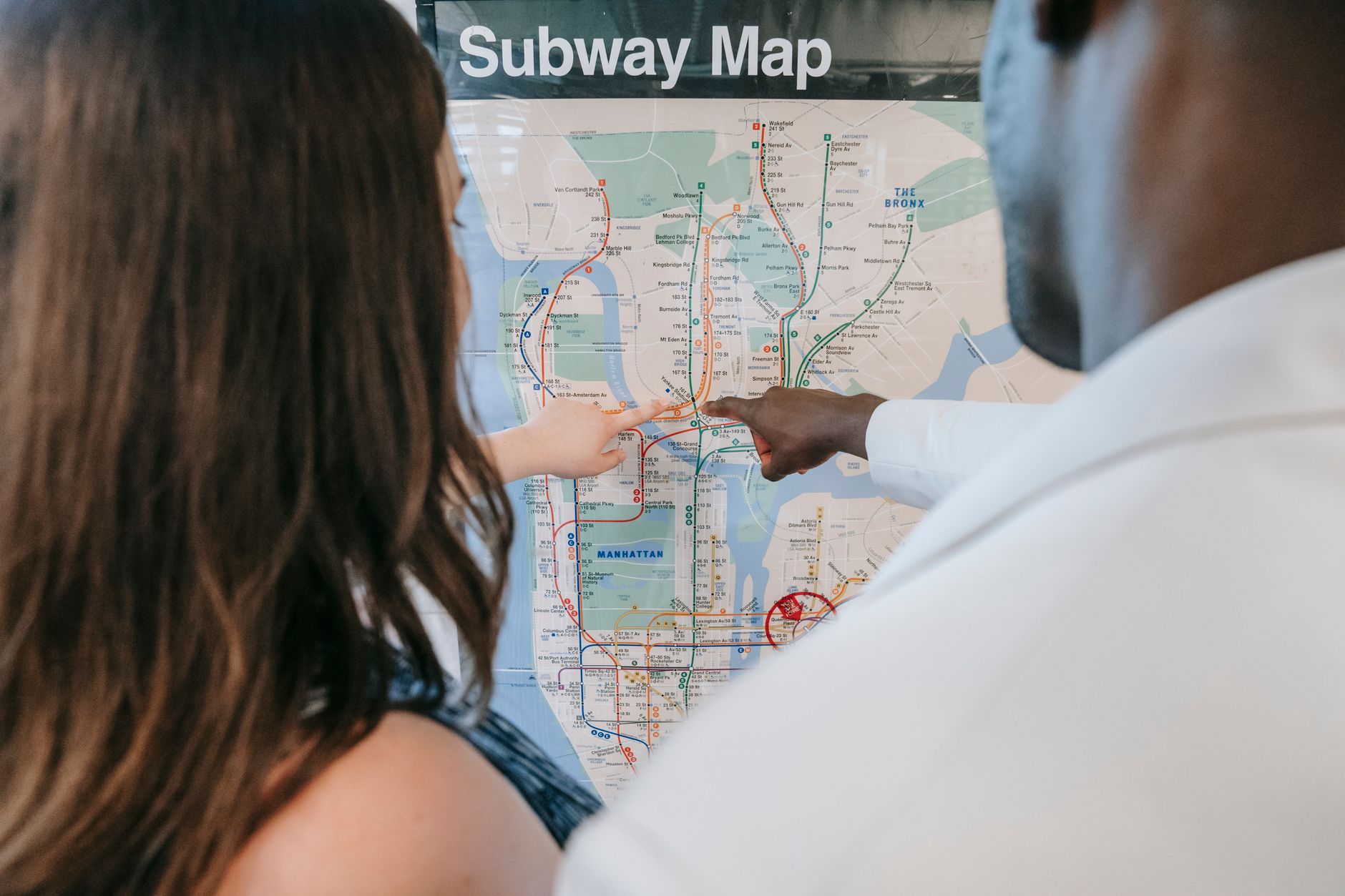
Start by checking the city’s official transportation website. Look for maps, fare structures, and service hours for buses, trams, subways, and commuter trains. Download the agency’s mobile app if one exists; most apps provide real‑time arrival data, route planners, and digital ticket purchases. If the city offers a unified payment card, consider ordering it online so you can activate it upon arrival.
Identify the main transit hubs near your accommodation. Knowing the nearest subway station or bus stop helps you plan the first leg of your journey from the airport or train station. Many cities also provide visitor passes that grant unlimited rides for a set number of days. Compare the cost of a pass with the price of single tickets based on your expected travel frequency.
Use Walking as Your Primary Mode
Walking lets you see details that you would miss from a vehicle. Before you set out, study a map of the neighborhood and mark points of interest such as museums, parks, and cafés. Aim to walk no more than 1.5 miles between stops; this distance is comfortable for most people and keeps you within a short bike‑share ride if needed.
Invest in a good pair of shoes and a lightweight backpack. Pack a reusable water bottle, a small umbrella, and a portable charger. These items keep you comfortable and prepared for sudden weather changes. When you walk, pay attention to street signs, crosswalk signals, and local traffic patterns. In many European cities, cyclists share the road, so stay alert and give them space.
Leverage Bike‑Share and E‑Scooter Programs
Most modern cities operate dockless bike‑share or electric scooter services. Download the relevant apps, link a payment method, and you can locate nearby vehicles with a tap. These options are ideal for short trips that exceed comfortable walking distances but do not justify a full transit ride.
Check local regulations before you ride. Some cities require helmets, limit where scooters can be parked, or restrict usage to certain zones. Follow the rules to avoid fines and keep the streets safe for everyone. When you finish, lock the bike or scooter in a designated area and end the ride in the app to stop the meter.
Master Public Transportation Etiquette
When you board a bus or train, let passengers exit before you step inside. Offer your seat to seniors, pregnant travelers, or people with disabilities. Keep your belongings close and avoid blocking doors or aisles. If you are unsure about which line to take, ask the driver or a fellow passenger; most locals are happy to help.
Validate your ticket or tap your card as soon as you board. Some systems use proof‑of‑payment, where inspectors randomly check tickets. Carry a digital copy of your pass on your phone in case you need to show it quickly. If you lose a ticket, report it to the transit authority to avoid penalties.
Plan Flexible Itineraries
Build a daily schedule that groups nearby attractions together. This reduces travel time and lets you explore each area at a relaxed pace. Use the transit app’s “trip planner” feature to find the fastest routes between sites. Keep an eye on service alerts; occasional maintenance can cause delays or reroutes.
Allow extra time for unexpected discoveries. A charming side street, a local market, or a pop‑up event can become a highlight of your trip. By staying flexible, you avoid the stress of trying to stick rigidly to a timetable.
Stay Safe and Connected
Carry a small amount of cash for places that do not accept cards, but rely mainly on contactless payments for speed and security. Keep your phone charged; a portable power bank can be a lifesaver during long days of walking and riding.
Know the emergency numbers for the city and have a basic map saved offline in case you lose internet access. Share your itinerary with a friend or family member, especially if you are traveling alone.
By combining walking, bike‑share, and public transit, you can explore a new city efficiently and sustainably. These methods reduce traffic congestion, lower your carbon footprint, and often lead to more authentic experiences. With a little preparation and a willingness to adapt, you will find that a car is unnecessary for a rewarding urban adventure.
Related reading
 Navigating a New City by Bus, Train, and Tram
 Essential Prep Guide for First-Time Solo Travelers
AI disclosure: this article was automatically drafted with AI assistance and reviewed before publishing. Written with AI assistance: openai/gpt-oss-120b. It is general information, not professional medical, financial or legal advice.



Comments
Post a Comment