Navigating a New City by Bus, Train, and Tram
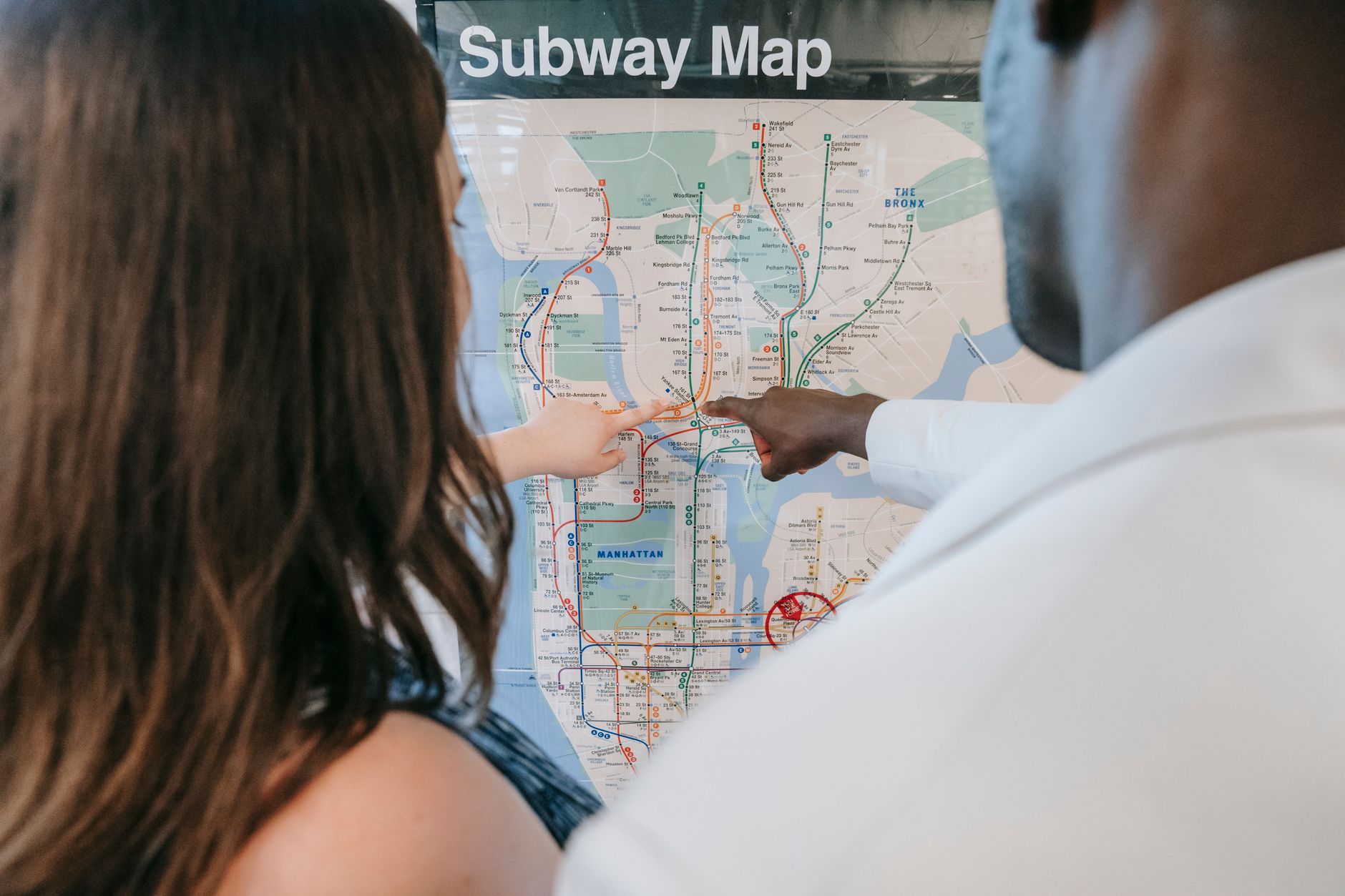
Arriving in an unfamiliar city can feel overwhelming, especially when you rely on public transport. Knowing how to plan, read signs, and stay safe makes the experience smoother. This guide walks you through practical steps for using buses, trains, and trams in any new urban environment.
Start with a Simple Map
Before you step outside, locate an official transit map online or in a tourist office. Download a PDF or screenshot for offline use. Look for the main lines that cross the city center, as they often connect to airports, train stations, and major attractions. Mark the stops you plan to visit and note the direction of travel.
Many cities offer mobile apps that show real‑time arrivals, service alerts, and route planners. Install the app on your phone and enable location services. If you prefer a paper map, ask a staff member at a metro station; they usually have free copies.
Buy the Right Ticket
Ticket options vary widely. Some places sell single‑ride tickets, while others provide day passes, weekly cards, or contactless payment options. Compare the cost of a day pass against the number of trips you expect to make. In many European cities, a contactless card or mobile wallet works on buses, trams, and subways alike.
When you purchase a ticket, keep it visible until you leave the vehicle. Conductors or ticket inspectors may ask to see it. If you lose a ticket, be prepared to pay a fine, which can be higher than the original fare.
Read Signs and Announcements
Transit stations use clear symbols for lines, directions, and exits. Follow the colored line markers that match the map you studied. Look for arrows indicating the platform for each direction. On buses, digital displays show the next stop; listen for audio announcements if you have hearing difficulties.
In multilingual cities, signs often appear in the local language and English. Learn a few key words such as "exit," "platform," and "ticket" in the local tongue. This helps you ask for assistance and understand posted notices.
Mind the Etiquette
Public transport etiquette varies, but some rules are universal. Offer your seat to seniors, pregnant passengers, or people with disabilities. Keep bags close to you and avoid blocking aisles. Speak softly on the phone and use headphones for music or videos.
During rush hour, stand on the right side of escalators to let others pass. On crowded trains, hold onto handrails and avoid leaning on doors. Respect local customs, such as removing shoes in certain cultures, if required.
Stay Safe and Confident
Keep your belongings secure. Use a zippered bag and store valuables in a front pocket. Stay aware of your surroundings, especially late at night. If a station feels unsafe, move to a well‑lit area or ask a staff member for help.
In case of service disruptions, check the app or station boards for alternative routes. Have a backup plan, such as a nearby bus line or a short walk to the next station. Knowing multiple ways to reach your destination reduces stress.
By preparing a map, choosing the right ticket, reading signs, following etiquette, and staying alert, you can travel confidently through any new city’s public transport network. The more you practice, the easier it becomes to explore neighborhoods, discover hidden gems, and enjoy the local rhythm without a car.
Related reading
 Essential Checklist for Your First Solo Travel Adventure
 How to Travel Sustainably: Tips and Destinations for Eco-Friendly Travel in 2025
AI disclosure: this article was automatically drafted with AI assistance and reviewed before publishing. Written with AI assistance: openai/gpt-oss-120b. It is general information, not professional medical, financial or legal advice.



Comments
Post a Comment