When to Book Flights for the Best Savings
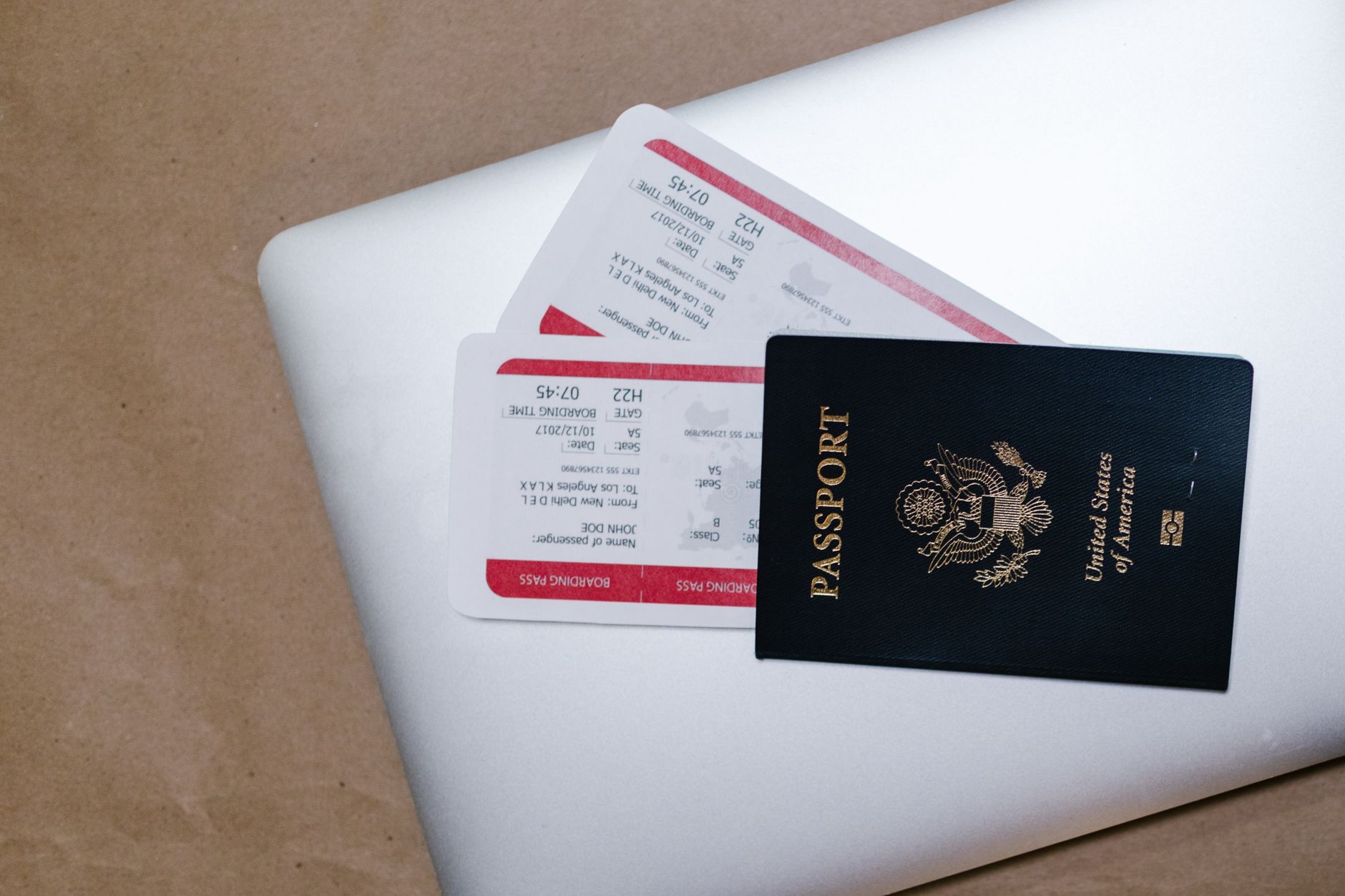
Finding cheap airline tickets often feels like a gamble. Yet data shows that timing your purchase can turn the odds in your favor. By understanding price patterns, you can plan trips that cost far less without sacrificing convenience.
Book Early, But Not Too Early
Most airlines release seats about 11 months before departure. Prices start low, rise, and then dip again as the flight approaches. Studies of U.S. domestic routes reveal that the sweet spot for many trips is 6 to 8 weeks before the departure date. During this window, airlines have a clear picture of demand and may lower fares to fill remaining seats.
For popular holidays such as Thanksgiving or Christmas, the optimal window shifts earlier. Booking 2 to 3 months ahead often secures the best rates because demand spikes quickly and airlines raise prices as seats fill.
Mid‑Week Purchases Save Money
Research consistently shows that Tuesdays and Wednesdays produce the lowest average fares. Airlines often adjust prices after weekend travel patterns emerge, and competitors match those changes by mid‑week. By checking prices on these days, you can catch discounts before they disappear.
When you find a fare you like, set a price alert and monitor it for 24‑48 hours. If the price drops, you can book immediately. If it rises, you still have a reference point for future searches.
Travel During Off‑Peak Seasons
Seasonality influences flight costs as much as booking timing. Flying in shoulder months—such as late April, early May, or September—often yields lower fares. Weather remains pleasant, crowds thin, and airlines compete for seats.
For tropical destinations, avoid the high season of December through March. Instead, travel in May or October when demand eases. You’ll notice price differences of 20 % or more compared with peak months.
Use Flexible Date Tools
Most airline websites and travel aggregators offer calendar views that display prices for several days before and after your chosen date. Use these tools to compare fares across a range of dates. A departure on a Tuesday or Wednesday can be up to 30 % cheaper than a Friday flight.
Similarly, returning on a weekday often reduces costs. If your itinerary allows, shift both outbound and inbound legs to mid‑week days for maximum savings.
Watch for Airline Sales and Promo Codes
Airlines announce flash sales several times a year. Subscribe to newsletters, follow social media accounts, and join loyalty programs to receive alerts. Sales frequently occur in January, after the holiday travel rush, and in late summer when airlines clear inventory for the fall season.
When a sale appears, act quickly. Seats at the advertised price may sell out within hours. Combine a sale fare with a promo code for an extra discount if the airline permits stacking.
Consider Alternate Airports
Large cities often have multiple airports serving the same region. For example, travelers to New York can choose JFK, LaGuardia, or Newark. Prices vary because each airport has different carrier competition and slot constraints.
Search for flights to all nearby airports. A short train or bus ride can save you 15 % to 25 % on the ticket price. The same principle applies to destination cities with secondary airports, such as Chicago Midway versus O'Hare.
Set Up Price Alerts and Track Trends
Tools like Google Flights, Hopper, and Skyscanner let you track fare changes over time. Set alerts for your preferred route and receive email or push notifications when prices dip.
Analyzing trends helps you decide whether to book now or wait. If the alert shows a steady decline, hold off. If the price spikes, purchase immediately to avoid paying more later.
Conclusion: Combine Strategies for Best Results
Saving money on flights is not a single trick but a combination of timing, flexibility, and vigilance. Book 6‑8 weeks ahead for most trips, aim for mid‑week purchases, travel in shoulder seasons, and use flexible date searches. Keep an eye on airline sales, consider alternate airports, and set price alerts to capture dips.
By applying these habits, you can consistently find lower fares and stretch your travel budget further. Happy flying!
Related reading
 When to Book Flights for Maximum Savings on Airfare
 How to Travel on a Budget: 10 Tips for Saving Money in 2025
AI disclosure: this article was automatically drafted with AI assistance and reviewed before publishing. Written with AI assistance: openai/gpt-oss-120b. It is general information, not professional medical, financial or legal advice.



Comments
Post a Comment