Practical Tips for Staying Healthy on Long-Haul Flights
Plan Your Hydration Before Boarding
Dehydration is common at 30,000 feet. Start drinking water a few hours before you reach the gate. Bring an empty reusable bottle through security and fill it at the airport water station. Aim for at least eight ounces every hour while you are in the air. Avoid sugary drinks and limit caffeine, which can increase fluid loss.
Alcohol also dries you out, so keep it to a minimum. If you do choose a glass of wine, follow it with a glass of water. Small, frequent sips work better than large gulps that can cause a bloated feeling.
Move Your Body Regularly
Sitting still for many hours can cause stiffness and reduce circulation. Set a timer to stand up and walk the aisle every 30 to 45 minutes. Simple stretches at your seat—neck rolls, shoulder shrugs, ankle circles—help keep blood flowing.
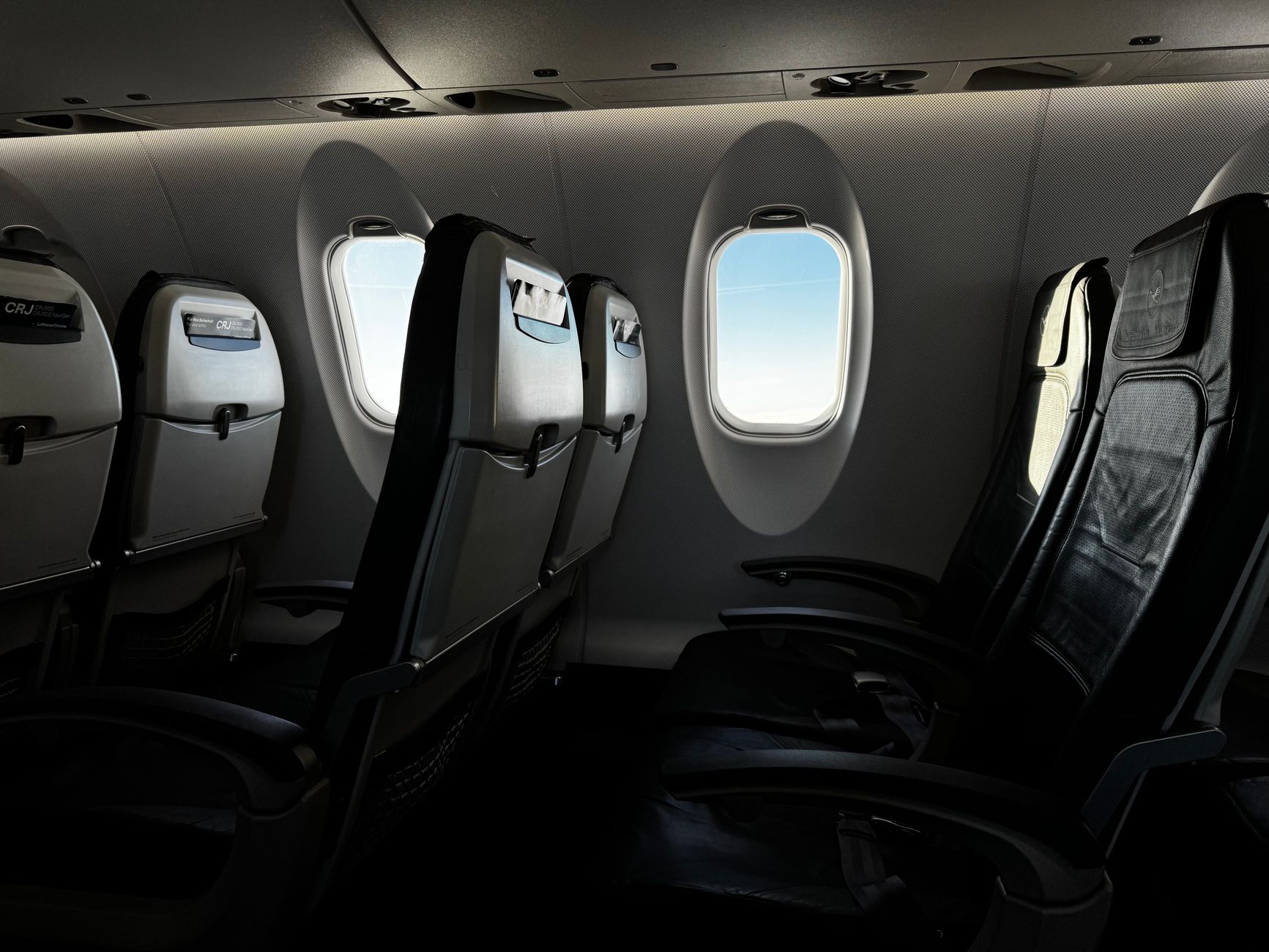
If you have a window seat, use the space near the wall to do calf raises. Lift your heels, hold for a few seconds, then lower them. Repeat ten times. This motion reduces the risk of swelling and supports vein health.
Choose Comfortable Clothing and Gear
Wear loose, breathable fabrics such as cotton or moisture-wicking blends. Tight clothing can restrict blood flow and increase discomfort. Slip-on shoes are ideal; they let you easily remove them for a quick foot stretch.
Compression socks can be a smart addition. They apply gentle pressure to the lower legs, encouraging blood return to the heart. Choose a pair that fits snugly but does not cut off circulation.
Mind Your Nutrition
Airline meals are often high in sodium, which can worsen dehydration. Pack a small snack of fresh fruit, nuts, or a protein bar to balance the meal. Fresh fruit provides natural sugars and vitamins without excess salt.
Chewing gum or sucking on a lozenge can help equalize ear pressure during takeoff and landing. It also encourages saliva production, which keeps your mouth moist.
Support Your Immune System
Airports and planes are busy places where germs travel easily. Carry a travel-sized hand sanitizer with at least 60% alcohol and use it after touching surfaces such as tray tables, armrests, and bathroom doors.
Wipe down your seat area with disinfectant wipes if you feel it is necessary. A small bottle of saline eye drops can relieve dry eyes caused by low cabin humidity.
Rest and Adjust to Time Zones
Sleep quality on a plane is rarely perfect, but you can improve it. Bring a neck pillow, eye mask, and noise-canceling headphones or earplugs. These items create a personal cocoon that blocks light and sound.
Try to align your sleep schedule with your destination’s time zone. If you are flying east, stay awake a little longer before boarding. If you are heading west, consider a short nap early in the flight. Light exposure also helps; open the window shade when it is daylight at your destination.
Stay Calm and Reduce Stress
Travel anxiety can affect digestion and sleep. Practice deep breathing exercises while seated. Inhale slowly through the nose for four counts, hold for four, then exhale through the mouth for six counts. Repeat several times.
Listening to calming music or an audiobook can distract you from the cramped environment. Keep a small notebook handy for jotting down thoughts or planning your itinerary.
After Landing: Keep the Momentum
Once you disembark, continue moving. Walk through the terminal instead of waiting at the gate. Stretch your legs and arms before you collect luggage.
Drink a glass of water and have a balanced meal within two hours of arrival. This helps replenish fluids and stabilizes blood sugar after a long flight.
By following these simple steps, you can reduce discomfort, stay hydrated, and support your body’s natural defenses. Long flights become more manageable, and you arrive feeling fresher and ready for your next adventure.
Related reading
 Practical Tips for Staying Healthy on Long-Haul Flights
 How to Handle Flight Delays and Cancellations Efficiently
AI disclosure: this article was automatically drafted with AI assistance and reviewed before publishing. Written with AI assistance: openai/gpt-oss-120b. It is general information, not professional medical, financial or legal advice.



Comments
Post a Comment