Practical Tips for Staying Healthy on Long-Haul Flights
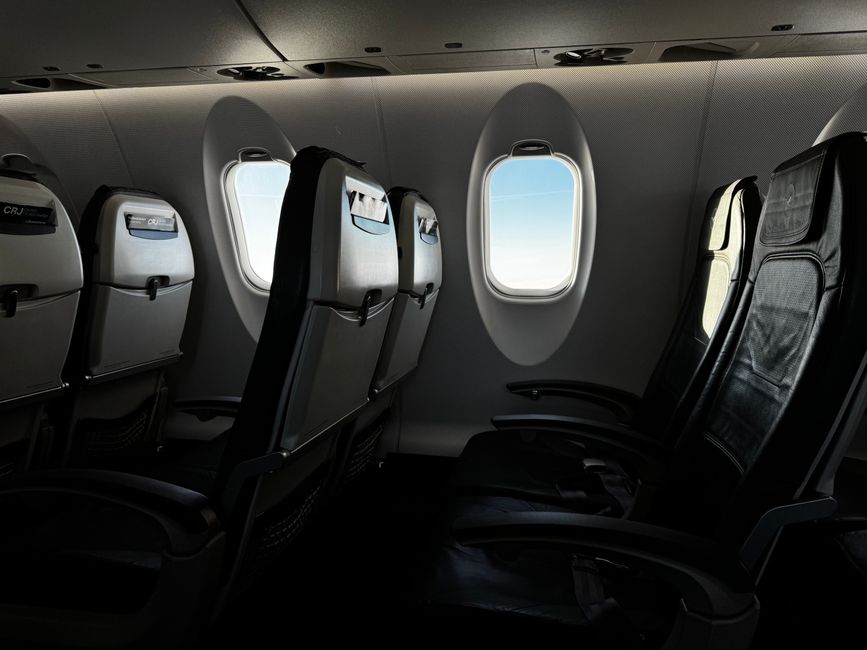
Long flights can feel exhausting, but a few simple habits can keep you feeling better from takeoff to landing. By planning ahead and staying active, you reduce discomfort and support your body’s natural rhythms.
Hydration and Nutrition
Cabin air is dry, so drink water regularly. Aim for at least eight ounces every hour. Carry a reusable bottle that you can refill after security. Avoid excessive caffeine and alcohol, which increase dehydration and disrupt sleep.
Pack healthy snacks such as nuts, fruit, or whole‑grain crackers. These provide steady energy and prevent blood‑sugar spikes that can make you feel sluggish. If you need a meal, choose options with protein and vegetables rather than heavy, fried dishes.
Movement and Stretching
Sitting still for many hours can cause stiffness and reduce circulation. Stand up and walk the aisle every 30‑45 minutes if possible. Simple calf raises, ankle circles, and shoulder rolls can be done while seated.
Stretch your neck by gently tilting your head side to side, and roll your shoulders forward and back. These movements relieve tension in the neck and upper back, common areas of discomfort on flights.
Sleep and Rest Strategies
Adjust your sleep schedule a few days before departure to match your destination’s time zone. On the plane, use a neck pillow, eye mask, and noise‑cancelling headphones to create a restful environment.
Set the seat recline to a comfortable angle, but be mindful of the passenger behind you. If you can, choose a window seat to lean against the wall for better support.
Skin and Comfort Care
Dry cabin air can dry out skin. Apply a fragrance‑free moisturizer to your face and hands before boarding and reapply during the flight. Lip balm helps prevent chapped lips.
Wear loose, breathable clothing and layers you can add or remove as the temperature changes. Compression socks improve blood flow in the legs and reduce swelling.
Mindful Practices
Stress can worsen physical discomfort. Practice deep breathing: inhale for four counts, hold for four, exhale for six. This simple technique calms the nervous system and eases tension.
Bring a book, download a meditation app, or listen to calming music. Engaging your mind in a pleasant activity distracts from the monotony of the flight.
By combining hydration, movement, sleep hygiene, skin care, and mindfulness, you can arrive at your destination feeling refreshed rather than fatigued. Small, consistent actions make a big difference on long journeys.
Related reading
 Essential Travel Tips for First-Time Travelers to Europe
 How to Travel on a Budget: 10 Tips for Saving Money in 2025
AI disclosure: this article was researched and written with AI assistance and reviewed before publishing. It is general information, not professional medical, financial or legal advice.



Comments
Post a Comment