How to Keep Your Important Documents Safe While Traveling
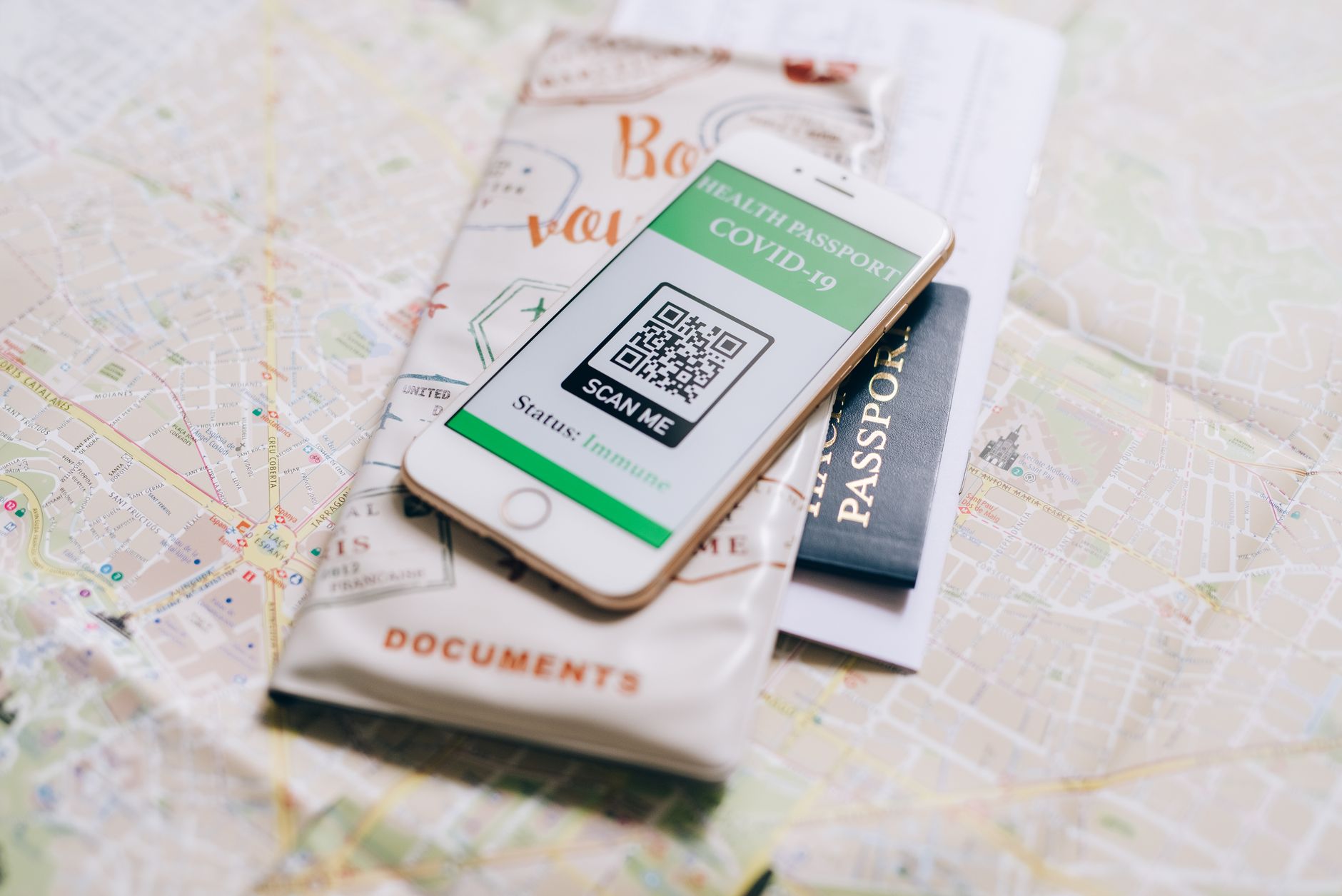
Traveling opens the world to new experiences, but it also puts your personal documents at risk. Passports, visas, tickets, and insurance papers are essential for a smooth trip. Losing them can cause delays, extra costs, and stress. This guide shows practical steps to protect your documents before, during, and after your journey.
Prepare Copies and Digital Backups
Start by making both physical and electronic copies of every important paper. Use a scanner or a smartphone app to create clear PDFs of your passport, driver’s license, travel insurance, and any visas. Store these files in a secure cloud service that offers two‑factor authentication. Also, email a copy to yourself or a trusted friend. Keep a set of printed copies in a separate bag from the originals. If the originals are stolen, you will still have the information needed to obtain replacements.
Choose the Right Carry‑On Storage
Never place critical documents in checked luggage. Baggage can be lost or opened without notice. Instead, keep them in a small, zippered pouch that fits inside your carry‑on. Look for a pouch with RFID‑blocking material to protect against electronic theft of passport data. Place the pouch in an inner compartment of your bag, not in an external pocket that can be quickly accessed by a thief.
Consider using a travel wallet that attaches to a belt loop or hidden inside a clothing pocket. Some wallets have a zippered closure and a cut‑proof strap that makes it harder for pickpockets to remove them unnoticed. Keep the wallet close to your body at all times, especially in crowded airports, train stations, and markets.
Secure Documents While on the Move
When you’re moving through security lines or boarding a plane, keep your document pouch in front of you, not in an overhead bin. In hotels, use the safe provided in the room or at the front desk. If a safe is unavailable, lock your pouch in a portable lockbox that you can attach to a fixed piece of furniture.
While sightseeing, avoid pulling out your passport or tickets unless absolutely necessary. Use a photocopy or a digital version on your phone for quick reference. If you must show the original, keep it in one hand and your bag in the other, never leaving it unattended on a table or bench.
Plan for Emergencies
Know the location of your country’s embassy or consulate at your destination. Write down the address and phone number on a piece of paper stored separately from your passport. In case of loss, you will need to contact the embassy quickly to arrange a temporary travel document.
Carry a small emergency card with your name, a contact number, and any medical conditions. This card can help authorities identify you if you lose your passport. Also, keep a list of important phone numbers, such as your travel insurance provider and a trusted family member, in both digital and printed form.
Maintain Good Habits After the Trip
When you return home, review how your document system worked. Store original documents in a fire‑proof safe or a locked filing cabinet. Delete any unnecessary digital copies from your phone to reduce the risk of data breaches. Update your travel records and note any incidents, such as lost luggage or stolen items, for future reference.
Regularly check the expiration dates of passports, visas, and insurance policies. Renew them well before your next trip to avoid last‑minute stress. By treating document safety as a routine part of travel planning, you create a reliable shield against loss and theft.
Following these steps will help you keep your documents secure, reduce travel disruptions, and let you focus on enjoying new destinations. A little preparation goes a long way toward a worry‑free adventure.
Related reading
 Essential Tips for Staying Safe While Traveling Solo
 How to Spot and Avoid Common Tourist Scams Abroad
AI disclosure: this article was automatically drafted with AI assistance and reviewed before publishing. Written with AI assistance: openai/gpt-oss-120b. It is general information, not professional medical, financial or legal advice.



Comments
Post a Comment