How to Handle Flight Delays and Cancellations Efficiently
Air travel can be unpredictable. When a flight is delayed or cancelled, the experience can quickly turn stressful. Knowing the right steps to take can save time, money, and frustration. This guide walks you through practical actions you can take from the moment you learn about a disruption to the point you reach your destination.
Stay Informed Early
Check the status of your flight before you leave for the airport. Use the airline’s app, website, or a reliable flight‑tracking service. Sign up for push notifications if the airline offers them. Early alerts give you a chance to adjust your plans before you arrive at the terminal.
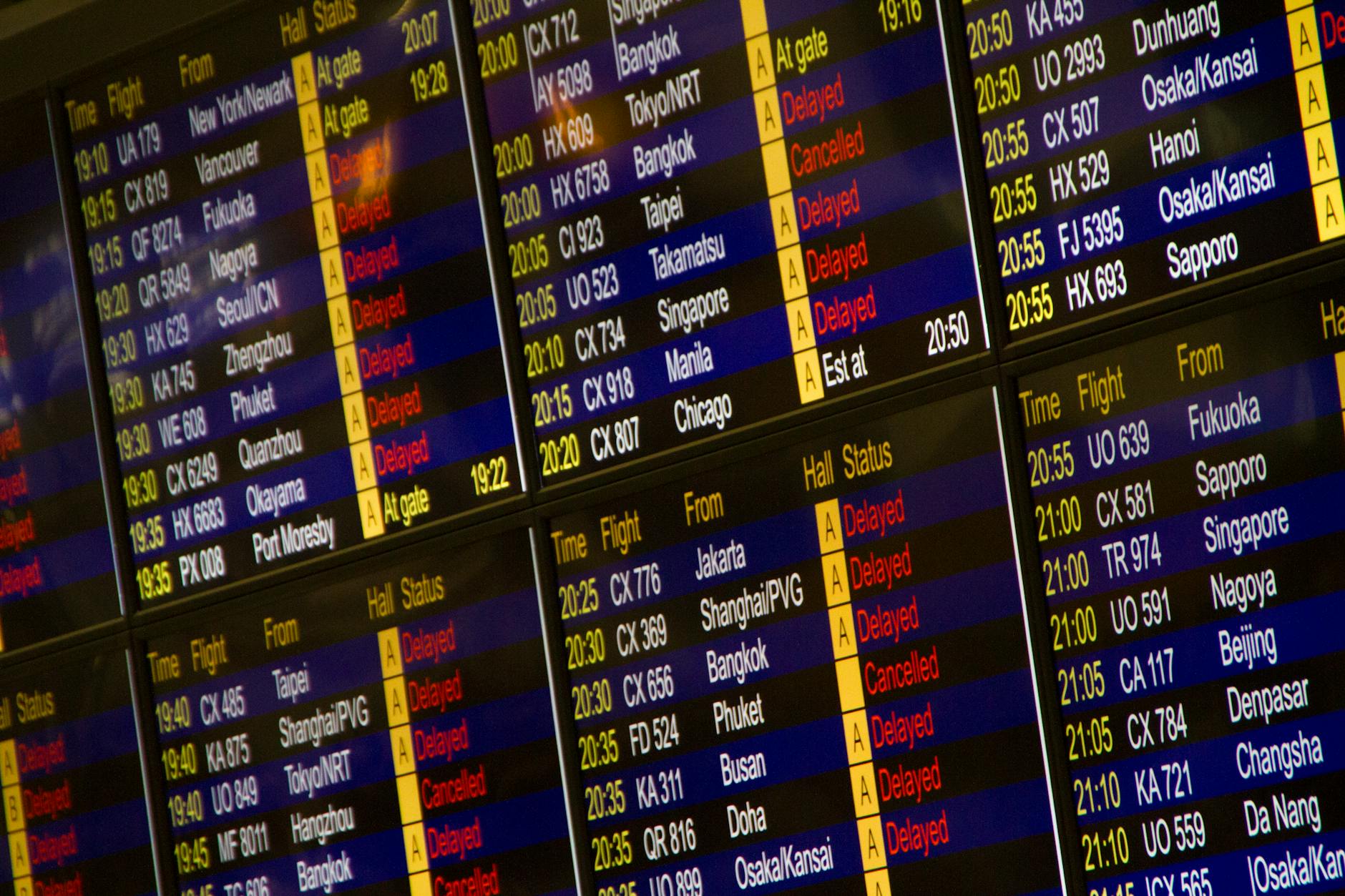
If you are already at the airport, monitor the departure boards and listen for announcements. Some airports also provide text alerts for gate changes. Keeping an eye on these sources helps you react quickly when a delay is announced.
Know Your Rights and Options
Airlines have specific policies for delayed or cancelled flights. Review the airline’s contract of carriage, which outlines compensation, rebooking, and refund procedures. In many regions, regulations such as EU261 or US Department of Transportation rules protect passengers.
When a delay exceeds a certain threshold—often two hours—you may be entitled to meals, phone calls, or hotel accommodations. Ask the gate agent about vouchers or reimbursements. If the airline does not offer assistance, you can file a claim later.
Act Quickly to Rebook
As soon as a delay is confirmed, approach the airline’s service desk or use the mobile app to explore alternative flights. The earlier you request a new itinerary, the more options you will have. If the airline’s staff is busy, try a self‑service kiosk or the online rebooking tool.
When you have flexibility, consider nearby airports. A flight from a different hub may depart sooner and still get you to your destination on time. Keep an eye on connecting flights, too—if your original connection is missed, the airline should arrange a new one at no extra cost.
Secure Essentials While You Wait
Delays can last for hours or even a full day. Bring snacks, water, and any medication you need. If the airline provides vouchers, use them for meals or a lounge pass. A comfortable place to rest can make the wait less taxing.
Charge your devices whenever possible. Many airports have charging stations, but they can be crowded. A portable power bank ensures you stay reachable and can keep checking flight updates.
Document Everything
Take photos of the departure board showing the delay or cancellation. Save receipts for any expenses you incur, such as meals, transportation, or overnight lodging. These records support any future compensation claim.
Note the names of airline representatives you speak with, along with the time and details of the conversation. Clear documentation speeds up the resolution process if you need to follow up later.
Consider Travel Insurance
Travel insurance policies often cover costs related to flight disruptions. Review your policy to understand what is reimbursable—typically meals, accommodation, and alternative transportation. File a claim promptly, attaching the documentation you collected.
If you did not purchase insurance, you may still be eligible for compensation directly from the airline, especially under regulated jurisdictions. Knowing both avenues gives you the best chance of recouping expenses.
Stay Calm and Polite
Airline staff handle many disruptions daily. A courteous attitude can lead to better assistance. Explain your situation clearly, ask specific questions, and listen to their suggestions.
If you encounter unhelpful service, ask to speak with a supervisor. Escalating politely often results in faster solutions, such as priority rebooking or additional vouchers.
Plan for Future Trips
After the disruption, reflect on what worked and what didn’t. Keep a list of reliable airlines, preferred airports, and useful apps. Consider building a buffer into future itineraries—allow extra time between connections and schedule important events with a margin.
By preparing ahead and following these steps, you can turn a flight delay or cancellation into a manageable inconvenience rather than a major setback.
Related reading
 Essential Checklist for Your First Solo Travel Adventure
 When to Book Flights for Maximum Savings on Airfare
AI disclosure: this article was automatically drafted with AI assistance and reviewed before publishing. Written with AI assistance: openai/gpt-oss-120b. It is general information, not professional medical, financial or legal advice.



Comments
Post a Comment